

Just like humans, cats can also suffer from diabetes — a condition that affects their ability to manage blood sugar. When this happens, diet becomes the most powerful tool to control the disease. Low-carb cat food for diabetic cats has become one of the best ways to help your furry friend live a healthier, more energetic life. Choosing the right low-carb cat food for diabetic cats can make a huge difference in managing blood sugar levels.
If your cat has diabetes, switching to a low-carbohydrate, high-protein diet can make a huge difference. These diets help stabilize blood glucose levels, support lean muscle mass, and prevent weight gain — all critical factors for diabetic cats. In this guide, we’ll explore what makes a good low-carb diet, how to choose the right food, vet-recommended options, and tips for managing feline diabetes naturally.
🩺 What Is Feline Diabetes?
Feline diabetes (also known as diabetes mellitus) occurs when your cat’s body can’t properly produce or respond to insulin — the hormone responsible for regulating blood sugar. As a result, glucose builds up in the blood, leading to symptoms like:
- Increased thirst and urination
- Weight loss despite a good appetite
- Fatigue or weakness
- Dull coat or poor grooming habits
Most diabetic cats are middle-aged or overweight. The good news? With the right low-carb cat food, many cats can reduce insulin needs and even go into remission. Many veterinarians recommend low-carb cat food for diabetic cats because it helps regulate insulin and energy balance.
🍗 Why a Low-Carb Diet Helps Diabetic Cats
Cats are obligate carnivores, meaning they thrive on protein and have little need for carbohydrates. Unfortunately, most commercial kibble is packed with carbs like corn, rice, or wheat — which cause spikes in blood sugar.
A low-carb cat food for diabetic cats replaces these fillers with protein-rich ingredients such as chicken, turkey, salmon, or beef. This helps:
- Maintain steady blood sugar levels
- Reduce insulin dependency
- Promote fat loss and lean muscle gain
- Support healthy liver and pancreas function
- Improve energy and coat quality

Essentially, a low-carb diet allows your cat’s metabolism to work the way nature intended — burning protein and fat for energy instead of sugar. If your cat has diabetes, switching to low-carb cat food for diabetic cats supports a healthier and more stable lifestyle.
🥩 Key Nutritional Features to Look For
When choosing a low-carb cat food, always read the label carefully. The best low-carb cat food for diabetic cats is usually grain-free and rich in animal protein. Here’s what to look for:
- High Protein (Over 40%) – From animal sources like chicken, turkey, or fish.
- Low Carbohydrates (Under 10%) – Avoid grains, potatoes, and peas.
- Grain-Free & Gluten-Free – Reduces inflammation and helps digestion.
- Moisture-Rich Formula – Wet or raw foods help prevent dehydration.
- No Added Sugars or Fillers – Avoid sweeteners like molasses or corn syrup.
- Complete and Balanced Nutrition – Should meet AAFCO standards.
You can also check out our detailed guide on Freeze-Dried Raw Cat Food: Is It Worth It? to compare raw and low-carb options for diabetic cats.
🐱 Types of Low-Carb Cat Food
1. Wet (Canned) Low-Carb Food
Wet food is naturally low in carbohydrates and high in moisture, making it perfect for diabetic cats. Brands like Fancy Feast Classic Pâté, Tiki Cat After Dark, and Wellness CORE Grain-Free are top-rated for diabetic-friendly diets. Pet owners who use low-carb cat food for diabetic cats often notice reduced thirst and improved weight control.
2. Freeze-Dried Raw Cat Food
Freeze-dried or raw formulas retain nutrients and are often carb-free. Options like Primal Raw Freeze-Dried Nuggets or Stella & Chewy’s Raw Dinner Morsels are excellent choices for cats who prefer real meat.
3. Dry Low-Carb Kibble (for Transitioning Cats)
Some cats refuse wet food. In that case, look for low-carb dry cat food such as Dr. Elsey’s Clean Protein or Young Again Zero Mature Health — both designed specifically for diabetic or overweight cats.
🌾 Ingredients to Avoid
Even small amounts of carbohydrates can cause blood sugar spikes in diabetic cats. Avoid foods containing:
- Corn, wheat, or soy
- Peas, potatoes, and tapioca
- Artificial flavors or colors
- Sweeteners like fructose or molasses

Always check the guaranteed analysis or contact the brand to confirm the carbohydrate percentage (aim for under 10%). A carefully chosen low-carb cat food for diabetic cats can even lower the need for insulin injections over time.
🧪 Vet-Recommended Low-Carb Cat Food Brands (2026 Update)
| Brand Name | Type | Key Feature | Carb % (Approx.) |
|---|---|---|---|
| Dr. Elsey’s Clean Protein | Dry | High protein, ultra-low carb | 5% |
| Tiki Cat After Dark | Wet | Grain-free, high moisture | 3% |
| Fancy Feast Classic Pâté | Wet | Budget-friendly, low-carb | 5% |
| Stella & Chewy’s Raw Dinner Morsels | Freeze-Dried | Raw, high in protein | 2% |
| Young Again Zero Mature Health | Dry | Formulated for diabetic cats | 4% |
| Weruva Cats in the Kitchen | Wet | No fillers, high meat content | 4% |
| Instinct Raw Boost Mixers | Freeze-Dried | Easy topper for any meal | 6% |
🧭 Feeding Tips for Diabetic Cats
Always check labels when buying low-carb cat food for diabetic cats to ensure it meets AAFCO nutrient standards.
- Feed Consistent Meals – Keep feeding times regular to avoid glucose spikes.
- Measure Portions – Control calories to maintain a healthy weight.
- Add Water or Broth – Keeps hydration levels balanced.
- Avoid Free-Feeding – Helps monitor appetite and insulin timing.
- Transition Slowly – Introduce new food gradually over 7–10 days.
- Monitor Blood Sugar – Track changes and consult your vet regularly.
⚖️ Benefits of Low-Carb Cat Food
Stable Blood Sugar Levels
Low-carb meals prevent post-meal sugar spikes and keep glucose steady throughout the day.
Weight Management
Obesity is a major trigger for feline diabetes. A low-carb, high-protein diet supports fat loss and builds lean muscle.
Better Energy and Mood
Many cat owners report improved activity, brighter eyes, and a shinier coat after switching to low-carb food.
Reduced Insulin Needs
In some cases, cats on low-carb diets require less insulin or even achieve remission — under veterinary supervision.
🚫 Potential Drawbacks
- Higher Cost: Premium low-carb or raw foods can be expensive.
- Limited Availability: Not all pet stores carry diabetic-friendly brands.
- Transition Time: Some cats take time to adjust to texture or flavor.
- Vet Monitoring Needed: Always consult your vet before changing diets or insulin doses.
💬 Real-Life Success Stories
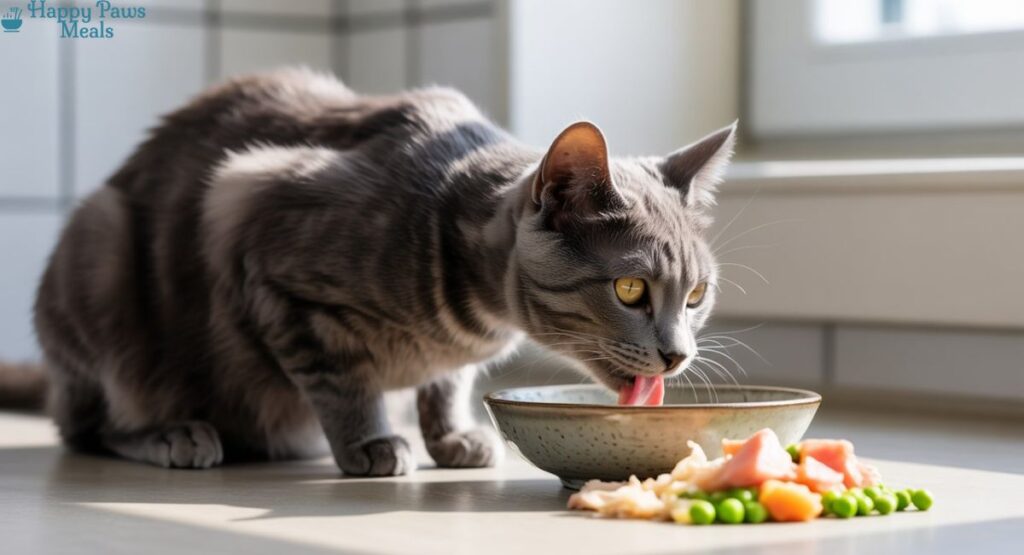
Many cat parents have seen their diabetic cats regain energy and reduce insulin after switching to low-carb cat food. For example, on the PetMD and Diabetic Cat Help Forum, owners share how wet or raw diets helped their cats go into remission within months. Homemade diets can work too, but commercial low-carb cat food for diabetic cats offers balanced nutrition and safety.
You can read more about managing feline diabetes with diet at PetMD
Learn about AAFCO’s cat food nutrient standards at AAFCO Official Site.
🐾 Final Thoughts
Feeding your cat the best low-carb cat food for diabetic cats can truly change their life. A high-protein, grain-free, and moisture-rich diet not only stabilizes blood sugar but also improves overall vitality. When transitioning to low-carb cat food for diabetic cats, do it gradually to avoid digestive upset.
Work closely with your vet to monitor your cat’s response and adjust insulin if needed. With consistency, patience, and the right food, your diabetic cat can live a long, happy, and healthy life.

I’m Awais Manzoor, the writer behind HappyPawsMeals. With years of interest in pet care and nutrition, I research and review cat and dog food to provide reliable, easy-to-understand advice for pet parents.
1 thought on “Best Low-Carb Cat Food for Diabetic Cats: A Complete 2026 Guide”